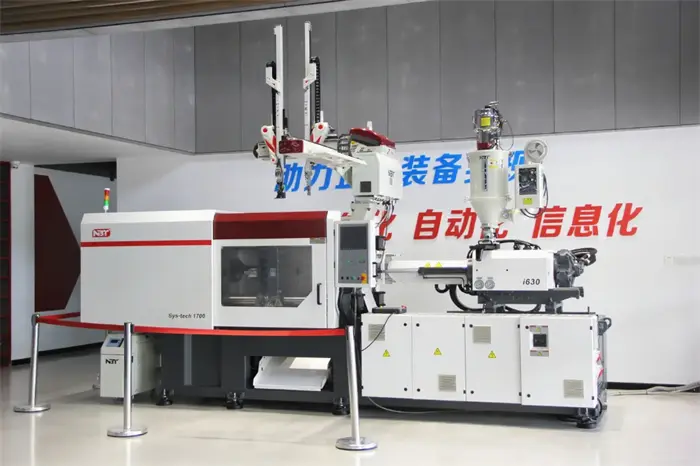
Last month, a small plastic packaging factory in Amsterdam reached out to our team, frustrated by their skyrocketing electricity bills. Their 5-year-old hydraulic injection molding machines were costing them €1,800 a month in energy costs—35% over their annual budget. This is why more factories are turning to servo-driven injection molding machine energy savings (and its popular industry alternative, electric servo drive injection molding machines) to cut production costs and boost profits.
This is a common pain point for injection processing plants across Europe and North America, and it’s why more factories are switching to servo-driven or electric servo drive injection molding machines. Let’s break down how these machines cut energy use, and share real data from our tests and customer cases.
What Are Servo-Driven & Electric Servo Drive Injection Molding Machines?
First, let’s keep this simple: traditional hydraulic injection molding machines use a constant-speed motor to power a hydraulic pump, which runs non-stop even when the machine isn’t actively injecting plastic. This wastes a lot of energy, especially during the cooling or waiting stages of production.
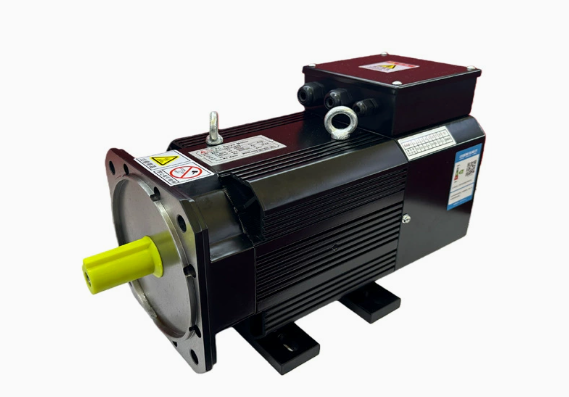
Servo-driven machines (also widely called electric servo drive injection molding machines in North America) use a servo motor that only runs when it’s needed. It speeds up for injection, slows down for cooling, and stops completely during idle time. Think of it like turning off your car engine at a red light instead of letting it idle—you save gas (or electricity) without losing performance, which is the core of servo-driven injection molding machine energy savings.
Real-World Servo-Driven Injection Molding Machine Energy Savings Data
We ran a 3-day test in our factory to compare a 160-ton electric servo drive injection molding machine (our NBT-160 model) with a traditional hydraulic machine of the same size. Here’s what we found:
Hydraulic machine: Used 4.2 kWh of electricity per hour, on average, during an 8-hour production run making 50ml plastic containers. Total energy use: 33.6 kWh.
Servo-driven/electric servo drive machine: Used 2.8 kWh per hour during the same run. Total energy use: 22.4 kWh.
That’s a 33% reduction in energy consumption, a key result of servo-driven injection molding machine energy savings. For a factory that runs machines 16 hours a day, 5 days a week, that adds up to 1,056 kWh saved per month—enough to power 20 average European households for a week.
We also tested different production scenarios. For small-batch runs (less than 1,000 pieces per cycle), the electric servo drive injection molding machine saved even more energy—up to 40%—because it didn’t waste power idling between short production cycles. For large-batch runs (10,000+ pieces), the savings dropped slightly to 28%, but that’s still a huge cost cut over time.
For more industry data on injection molding energy efficiency, you can check the Plastics Industry Association’s official reports.
Factors That Affect Servo-Driven Injection Molding Machine Energy Savings
Not all servo-driven or electric servo drive injection molding machines will save the same amount of energy, though. Here are three key factors that change the results:
1.Machine Size & Type
Smaller electric servo drive injection molding machines (under 100 tons) save 25-30% energy compared to hydraulic machines, while larger machines (over 300 tons) can save up to 40% because they use more power overall, amplifying servo-driven injection molding machine energy savings.
2.Production Cycle Length
Machines with longer cooling times (like those making thick plastic parts) save more energy, because the servo motor can shut down completely during the long idle period, maximizing servo-driven injection molding machine energy savings.
3.Operator Settings
If your team runs the electric servo drive injection molding machine at full speed all the time, you’ll save less energy. Our technicians found that adjusting the injection speed to match the part thickness can add an extra 5-8% in energy savings, boosting servo-driven injection molding machine energy savings even more.
Customer Case: Servo-Driven Injection Molding Machine Energy Savings in Berlin
Last year, a food packaging factory in Berlin switched all three of their hydraulic machines to our NBT electric servo drive injection molding machines. They run their production line 16 hours a day, 5 days a week, making plastic yogurt cups.
Before switching: Their monthly electricity bill for the machines was €2,200.
After switching: Their bill dropped to €1,584 a month—a 28% reduction from servo-driven injection molding machine energy savings.
Over 12 months, that saved them €7,392. The factory manager told us, “We used to worry about energy costs eating into our profits, but now we can put that money into upgrading our molds instead.”
Is an Electric Servo Drive Injection Molding Machine Worth the Investment?
Servo-driven or electric servo drive injection molding machines cost more upfront than traditional hydraulic machines—usually 15-20% more. But the servo-driven injection molding machine energy savings pay for the extra cost quickly. For the Berlin factory, the extra cost of the servo machines was €12,000, and they paid that back in less than 2 years. After that, the energy savings are pure profit.
If you’re on a tight budget, you can also look at hybrid servo-hydraulic machines, which are cheaper than full electric servo drive injection molding machines but still save 15-20% energy compared to traditional hydraulic models, providing solid servo-driven injection molding machine energy savings at a lower cost.
Final Thoughts on Servo-Driven Injection Molding Machine Energy Savings
If your factory’s electricity bills are getting out of control, a servo-driven or electric servo drive injection molding machine could be a smart fix. The real-world servo-driven injection molding machine energy savings aren’t just numbers on a page—they’re money you can put back into your business, whether that’s upgrading your equipment, hiring more staff, or lowering your product prices to compete better.
Our team can help you calculate how much energy you could save with an electric servo drive injection molding machine, based on your current production setup. Just send us a message with your machine size and production cycle details, and we’ll send you a free estimate.